How El Nido island hopping tours work
El Nido regulates island hopping by municipal ordinance, so every agency sells the same routes under the same letters, A to D, and the price difference between agencies is small. Shared boats leave the town beach in the morning and return in the afternoon, after four or five stops. Lunch, drinking water, a mask and snorkel are normally included; fins, kayaks and fees usually are not.
In 2020 the municipality also defined smaller packages, known as the Seven Wonders of El Nido, including premium tours built around the Big Lagoon, the Small Lagoon and Matinloc Island, to spread visitors out. In practice, most operators still sell the classic A to D routes, and your guide may change the order or swap a stop on crowded or windy days.
The four routes and their stops
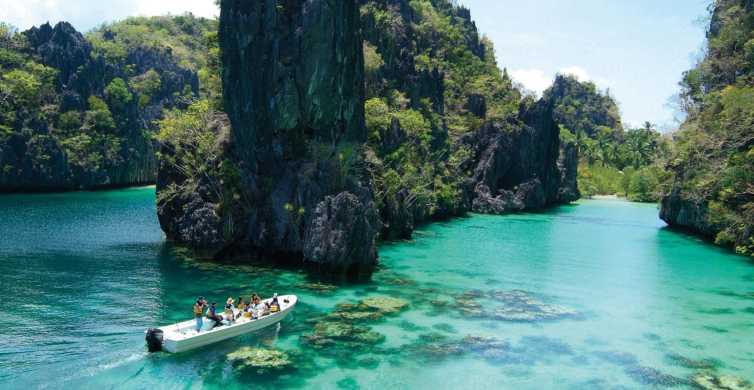
Tour A is the lagoon tour, around Miniloc Island: the Big Lagoon or the Small Lagoon, plus Secret Lagoon, Shimizu Island, Seven Commandos Beach and, on some versions, Payong-Payong Beach. Since 2018 the two big lagoons cannot be visited on the same day, so check which one your booking includes.
Tour B is the cave and sandbar tour: Snake Island and its winding sandbar, Cudugnon Cave, Cathedral Cave, Pinagbuyutan Island and Entalula Beach. It is usually quieter. Tour C goes to the outer islands: Helicopter Island, Matinloc Shrine, Hidden Beach, Secret Beach and Talisay or Star Beach, with some of the best snorkeling. Tour D stays close to town, around Cadlao Island: Cadlao Lagoon, Pasandigan Beach, Natnat or Ipil Beach and Bukal Island.
Fees paid on top of the tour
Every visitor pays the municipal Eco-Tourism Development Fee once, in cash. Operators and travelers report that it rose from ₱200 to ₱400 (about $6.50) in 2024; the ticket covers all tours for 10 days, with discounts for Palawan residents, students and seniors. Each visit to the Big or Small Lagoon adds an environmental user fee of ₱200 (about $3), collected for the protected area. Kayaks inside the lagoons are rented on the spot, around ₱350 (about $6) for a two-seater, and the privately run Matinloc Shrine and Cudugnon Cave charge their own entry, around ₱150-200.
Shared or private boat, and combo tours
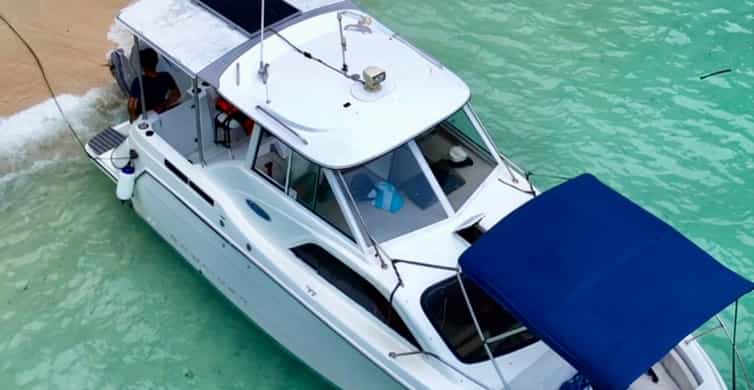
Shared boats keep the cost per person low but follow the crowd, and the lagoon tours bunch up around midday. A private bangka is priced per boat, so it becomes good value for four to six people, and it lets you leave earlier, stay longer at the stops you like and skip the fillers. Combination days, most often A and C, visit the highlights of two routes in one long day, usually on a private boat. For more remote islands, multi-day boat expeditions continue to Coron, and our Coron tours guide covers the routes there.
Weather cancellations and visitor caps
When PAGASA issues a gale warning or a storm signal, the Coast Guard does not clear tourist boats to sail, and guides may also reroute or cancel when swells build. Tour C, in open water, is the first to go. The southwest monsoon from June to October brings most cancellations; January to April is the most reliable period, as our weather guide explains. Ask your agency for its refund or rebooking policy, and keep a spare day.
The lagoons also have carrying capacities. Under the policy enforced by the Protected Area Office since December 2018, the Big Lagoon takes 60 visitors and 30 kayaks per 90-minute slot, and the Small Lagoon 30 visitors and 15 kayaks per hour. Operators book these slots in advance, so in peak season reserve Tour A at least a day ahead.
How to choose an operator
Book with an agency accredited by the Municipal Tourism Office and ask exactly what is included: lunch, snorkel gear, fins, kayaks, and which lagoon. Check that there are life jackets for everyone and ask how many passengers the boat takes. A good guide briefs you on the rules: reef-safe sunscreen, no standing on or touching coral, no feeding fish and no shells taken home. See all Palawan tours for the wider list.