Where the Big Lagoon is
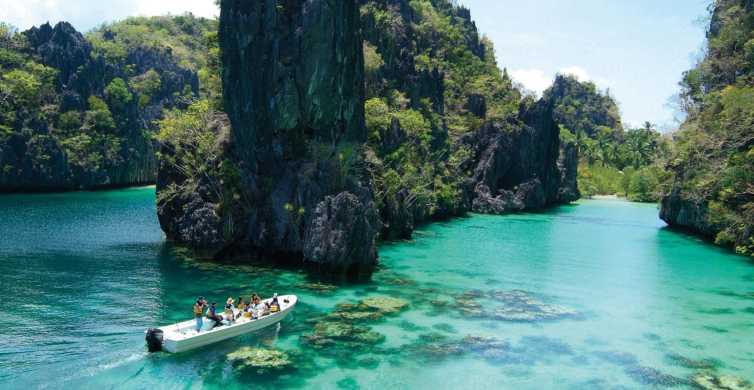
Miniloc is one of the limestone islands on the western side of Bacuit Bay, a boat ride from El Nido town, and it holds three of the bay's best-known sights: the Big Lagoon, the Small Lagoon and the Secret Lagoon. The Big Lagoon is the largest, a long basin of calm, clear water ringed by sheer gray cliffs topped with forest, reached through a shallow, narrow inlet from the sea.
The lagoon lies within the El Nido-Taytay Managed Resource Protected Area, and its access is managed by the Protected Area Office. Miniloc Island Resort, one of the El Nido Resorts properties, is on the same island; our where to stay guide covers the island resorts.
Visiting the Big Lagoon El Nido on Tour A
Most visitors come on Tour A, the lagoon route of El Nido's municipal island-hopping system, which also stops at Secret Lagoon, Shimizu Island and Seven Commandos Beach. Some versions of Tour A include the Small Lagoon instead, because since 2018 the two cannot be visited on the same day. When you book, check which lagoon is included; our El Nido island hopping guide compares all four routes.
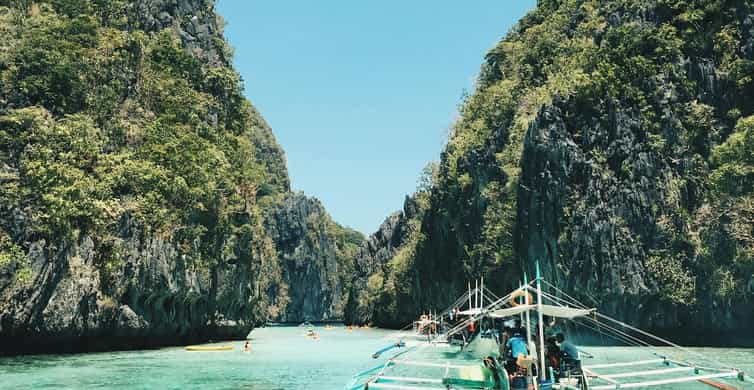
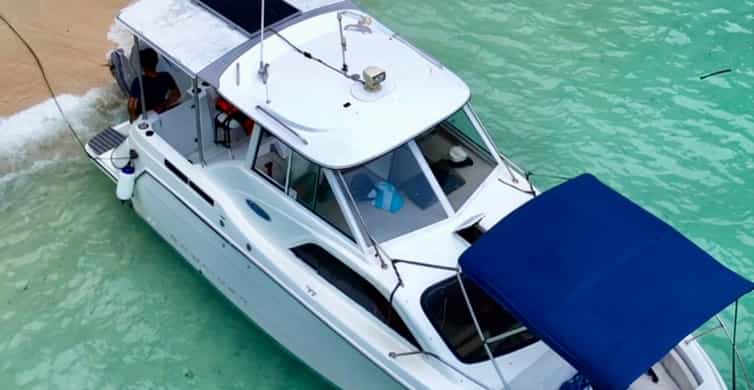
A private bangka gives the most control over timing: you can ask your operator for an early slot and arrive before the shared boats. The municipality has also offered a separate Big Lagoon premium package, built around the lagoon, Shimizu Island and Entalula, as part of its effort to spread visitors across the bay.
Time slots, visitor caps and kayak rules
Since December 1, 2018, El Nido's Protected Area Office has enforced a carrying capacity for the Big and Small Lagoons. The Big Lagoon admits 60 visitors and 30 kayaks every 90 minutes, or 480 people and 240 kayaks in an eight-hour day. Operators book their slots in advance, with any spare slots released after 3 pm on the day before, so last-minute bookings in peak season may not get in. Both lagoons were opened to guests from 7 am to 4 pm when the policy began.
Motorboats may not enter the Big Lagoon, except boats with special permits carrying people with disabilities, seniors or pregnant women, so tour boats wait at the mouth and you continue by kayak or swim. The rules require life jackets inside the lagoon and ban cliff jumping, loud music, grilling, washing dishes, throwing food scraps, stepping on coral, smoking and drinking alcohol. Guides and boats that break them can be refused clearance to sail.
Fees and what to bring
Each visitor pays a ₱200 (about $3) environmental user fee for the lagoon, which goes to the protected area's fund; persons with disabilities, seniors and students get the usual discounts, and town residents and children aged 5 and under are exempt. This is separate from El Nido's Eco-Tourism Development Fee, reported at ₱400 (about $7.50) according to operators, which covers all tours for 10 days. Neither is normally included in the tour price.
Kayaks are rented at the lagoon from a regulated pool. The fixed rate in 2018 was ₱250 for up to 90 minutes; operators now quote around ₱350 (about $6) for a two-seater, so bring small bills. Pack a dry bag, water shoes for the rocky shallows, reef-safe sunscreen and a refillable bottle of water.
Best time of day and season
The lagoon is at its best in the first slots of the morning, when the water is still and the shared boats have not yet arrived, and again late in the afternoon. From late morning to early afternoon the inlet fills with kayaks. At low tide the entrance channel is very shallow, so expect to paddle or wade carefully over rocks and coral rubble; your guide will plan around the tide where possible.
January to April brings the calmest seas and the clearest water. In the southwest monsoon, from June to October, swells can cancel boat tours at short notice, though the lagoon itself stays sheltered once you are inside. See Palawan weather and the best time to visit.
Small Lagoon, Secret Lagoon and other lagoons nearby
The Small Lagoon, also on Miniloc, is entered through a low gap in the rock that is just wide enough for a kayak or a swimmer, and opens into a quiet pool walled by cliffs. It is smaller and more intimate, with a cap of 30 visitors and 15 kayaks per hour, and charges the same ₱200 fee. The Secret Lagoon is a tiny pool behind a beach, reached by squeezing through a small opening in the rock wall; it can feel crowded with only a few boats.
Cadlao Lagoon, on Tour D near town, is quieter and makes a good alternative in peak season. The Twin Lagoon often mentioned online is not in El Nido but in Coron, on its Coron island hopping tours, along with Kayangan Lake. For more on the area, see our El Nido guide.
Frequently asked questions
Do you need to book the Big Lagoon in advance?
Yes. Visits run on time slots with a cap of 60 visitors per 90 minutes, and operators book them ahead; in peak season, book Tour A or a private boat at least a day before.
How much is the Big Lagoon entrance fee?
The environmental user fee is ₱200 per person, on top of El Nido's Eco-Tourism Development Fee (reported at ₱400). Kayak rental is paid separately at the lagoon.
Can you swim in the Big Lagoon?
Yes, with a life jacket, which is required inside the lagoon. Most visitors paddle in by kayak because motorboats are not allowed inside.
Is the Small Lagoon or the Big Lagoon better?
The Big Lagoon is larger and more open, with long views of the cliffs; the Small Lagoon has a narrow entrance and a more enclosed, intimate feel. A regular tour includes only one of them.
Is Twin Lagoon in El Nido?
No. Twin Lagoon is in Coron, on Coron Island tours. El Nido's best-known lagoons are the Big, Small, Secret and Cadlao lagoons.